
Amazon Basin Emerald Tree Boa
Sp. Corallus batesii
The Amazon Basin Emerald Tree Boa (Corallus batesii) is an extraordinary arboreal snake endemic to the Amazon River basin, spanning regions of Brazil, Peru, Ecuador, Colombia, and southern Venezuela. For many years, this population was considered part of the Northern Emerald Tree Boa (C. caninus), but recent taxonomic studies have confirmed it as a distinct species based on morphological differences, coloration patterns, and geographic separation.
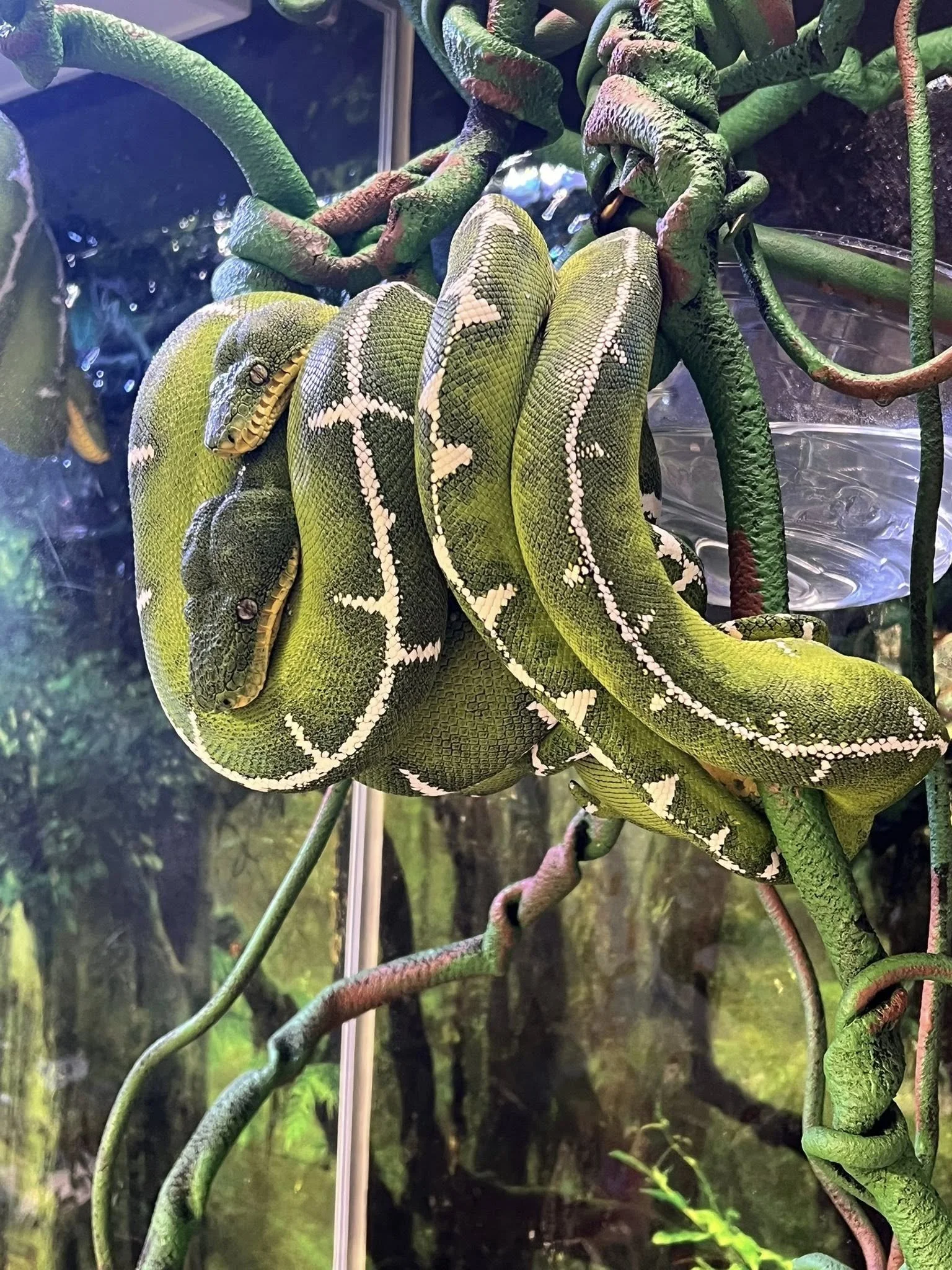
This species is celebrated for its intense emerald green coloration, complemented by a striking white dorsal stripe that runs the length of the body. In some individuals, the stripe is bordered or intersected by subtle black or dark green markings, creating a unique and highly recognizable pattern. Combined with its robust musculature and elongated arboreal form, C. batesii is perfectly adapted for life in the forest canopy, making it a formidable predator and a visually iconic species.
Ecologically, the Amazon Basin Emerald Tree Boa functions as a mid-level predator, preying primarily on small mammals, birds, and occasionally reptiles. By regulating prey populations, it plays a key role in maintaining the delicate balance of the rainforest ecosystem. Its presence is often interpreted as an indicator of forest health, highlighting areas of high biodiversity and stable habitat conditions.
From a scientific perspective, C. batesii is of great interest for studies on arboreal adaptations, biomechanics, thermoregulation, dentition, and ontogenetic color change. Researchers examine its exceptionally long, recurved teeth, powerful muscular build, and specialized locomotion to understand how arboreal snakes thrive in dense canopy environments. Its remarkable coloration and unique ecological niche also make it a cornerstone species for herpetological education and conservation outreach, allowing scientists and educators to demonstrate the complexity and beauty of Amazonian reptiles.
Physical Characteristics
The Amazon Basin Emerald Tree Boa is a robust, arboreal predator exhibiting a combination of size, coloration, and anatomical specializations that reflect its life in the forest canopy.
Adults are notably large for the genus, typically reaching 7–9 ft (2.1–2.7 m) in length, with females generally larger and more massive than males. Sexual dimorphism is pronounced: females have a heavier, more muscular build, while males are slimmer with proportionally longer tails, an adaptation that supports agility and balance among the branches. Individuals from the Amazon Basin are particularly known for their thick, powerful bodies, optimized for coiling securely on canopy branches during rest and ambush hunting.
Coloration is one of the most striking features of this species. Adults display a deep emerald green dorsum accented by a prominent white vertebral stripe, which can be bordered or intersected by dark markings, giving each individual a unique pattern. The ventral surface ranges from yellow to sulfur-yellow, providing a strong contrast with the dorsal coloration.
Juveniles undergo a pronounced ontogenetic color change. Neonates hatch red, orange, or brick-colored and gradually transition to the adult green over a period of several months, allowing young snakes to remain camouflaged in lower foliage until they reach canopy maturity.
The species is further adapted for arboreal predation through its anatomy. Strongly keeled scales improve traction and stability on branches, while exceptionally long, recurved teeth enable secure capture of birds and mammals. Relative to head size, the Amazon Basin Emerald Tree Boa possesses some of the longest teeth observed among arboreal boids, an adaptation that enhances its effectiveness as a stealthy canopy predator.
Habitat & Environment
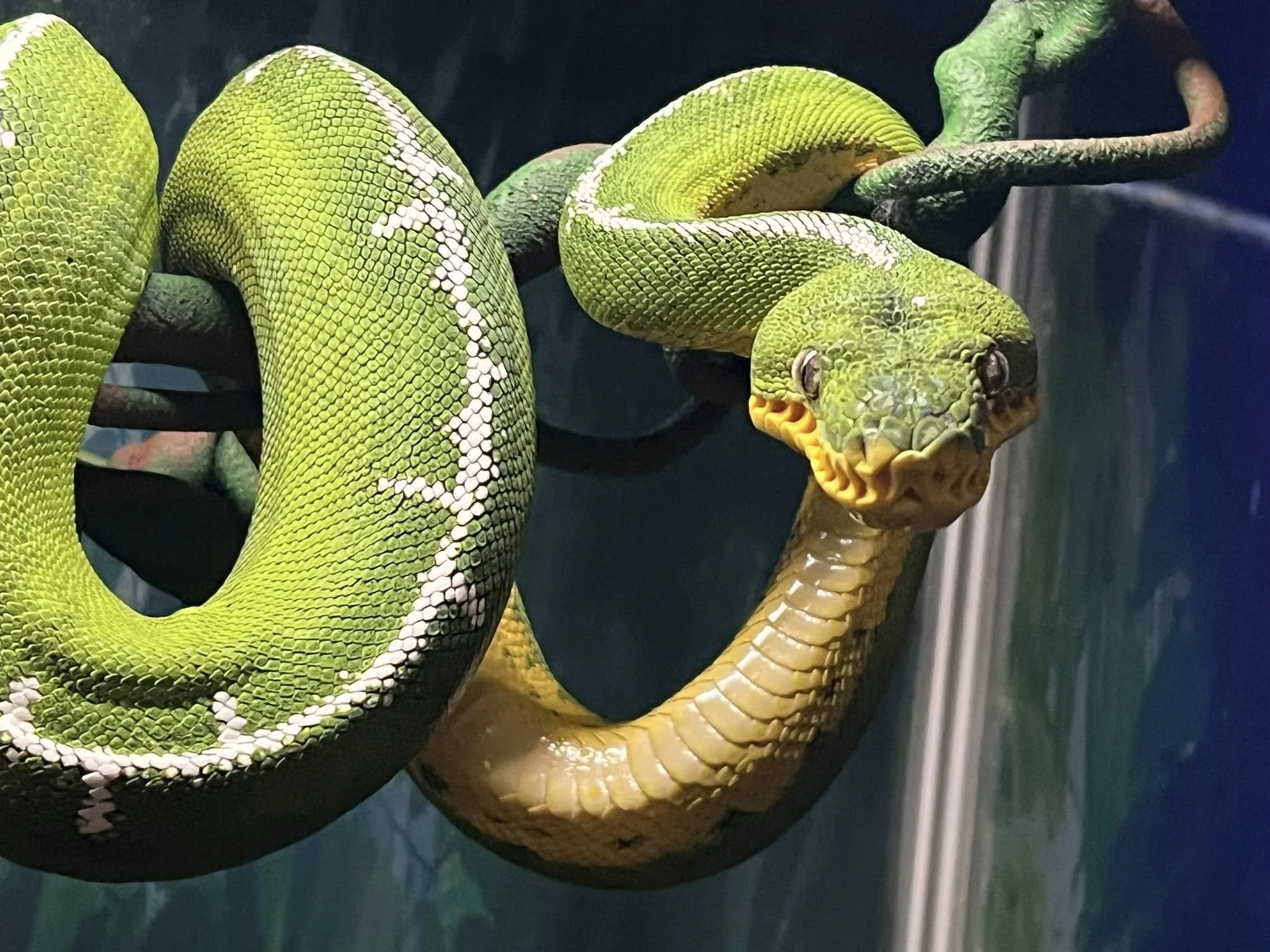
The Amazon Basin Emerald Tree Boa thrives in the vast, humid rainforests of the Amazon River basin, including regions of Brazil, Peru, Ecuador, Colombia, and southern Venezuela. It is a strictly arboreal species, spending nearly its entire life in the canopy and sub-canopy layers, where dense foliage provides both shelter and access to prey.
This species primarily inhabits primary (old-growth) forests, where tall, sturdy trees and an intricate network of branches create ideal locations for resting, hunting, and thermoregulation. Individuals are frequently observed coiled along horizontal branches above streams, rivers, and flooded areas, which serve as key hunting grounds for birds, bats, and small mammals.
The Amazon Basin Emerald Tree Boa relies on the stable temperature and high humidity typical of its rainforest habitat. Typical wild parameters are:
Humidity:
Day Time: 80–100%
Night Time: 80–100%
Temperature:
Daytime: 78–88°F (25–31°C)
Nighttime: 72–80°F (22–27°C)
Rainfall:
Heavy and consistent year-round
These conditions are essential for thermoregulation, camouflage, and predation efficiency. The dense canopy, abundant water sources, and high prey availability together support the snake’s specialized arboreal lifestyle and energy-efficient hunting strategy.
Behavior, Diet, & Lifespan
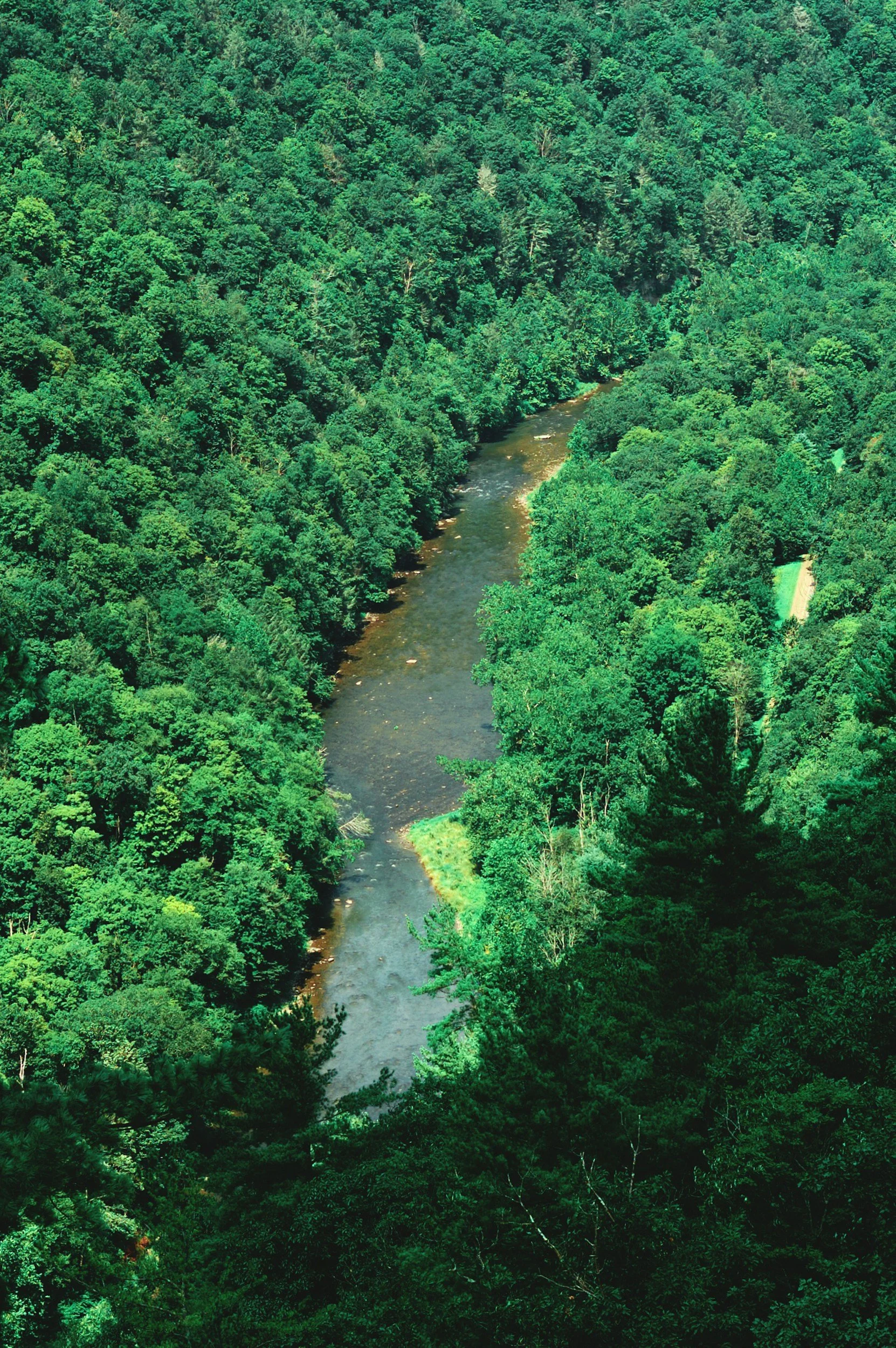
The Amazon Basin Emerald Tree Boa exhibits highly specialized nocturnal to crepuscular behavior, spending daylight hours resting hidden in the mid- to upper-canopy branches. By night, it becomes an active hunter, relying on stealth, ambush strategies, and precise strikes. Wild individuals are typically defensive and can react aggressively if disturbed, but captive-bred specimens often adapt to human presence, showing increased tolerance with minimal, consistent handling. The species' characteristic posture—coiled over a branch in a "saddle" position—provides both stability and an optimal strike angle when hunting.
Diet & Feeding: As ambush predators, Amazon Basin Emerald Tree Boas depend on exceptional camouflage and the element of surprise. Their heat-sensing pits allow detection of warm-blooded prey even in dense foliage or low light. The diet consists mainly of small arboreal mammals, such as rodents and bats, and birds, which they strike with precision from above. Juveniles may occasionally feed on small reptiles. Feeding behavior is highly selective and opportunistic, with individuals demonstrating patience and calculated timing during hunting. Captive studies have shown that the snakes can remember hunting locations and may strike multiple times in succession if prey attempts to escape.
Growth & Lifespan: Amazon Basin Emerald Tree Boas grow slowly, reaching sexual maturity around 3–4 years for males and 4–6 years for females. Wild individuals typically live 15–20 years, while well-maintained captive specimens often surpass 25 years. The species' slow growth and longevity are closely linked to its specialized arboreal lifestyle, low predation risk in the canopy, and energy-efficient hunting strategies.
Amazon Basin Emerald Tree Boa Variations
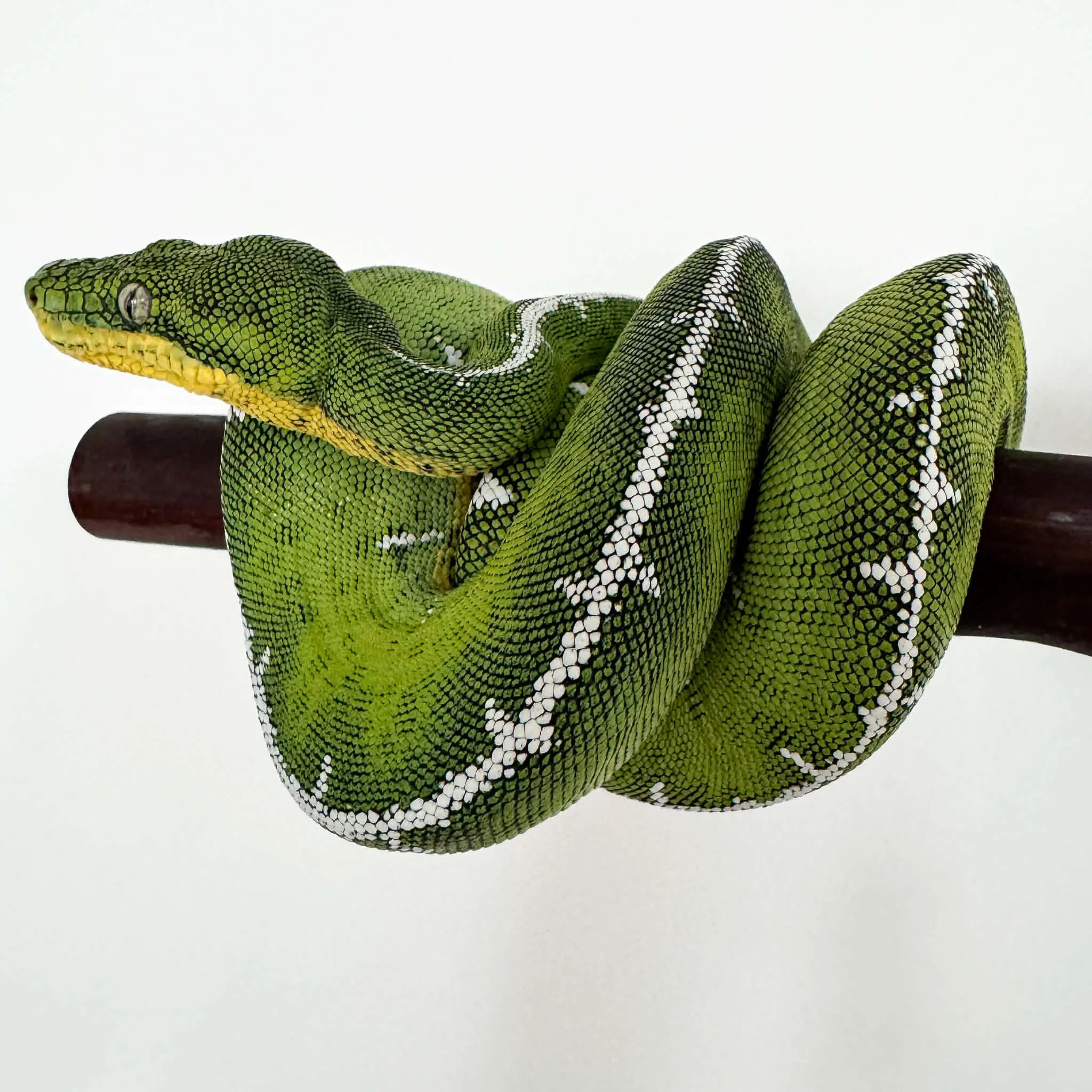
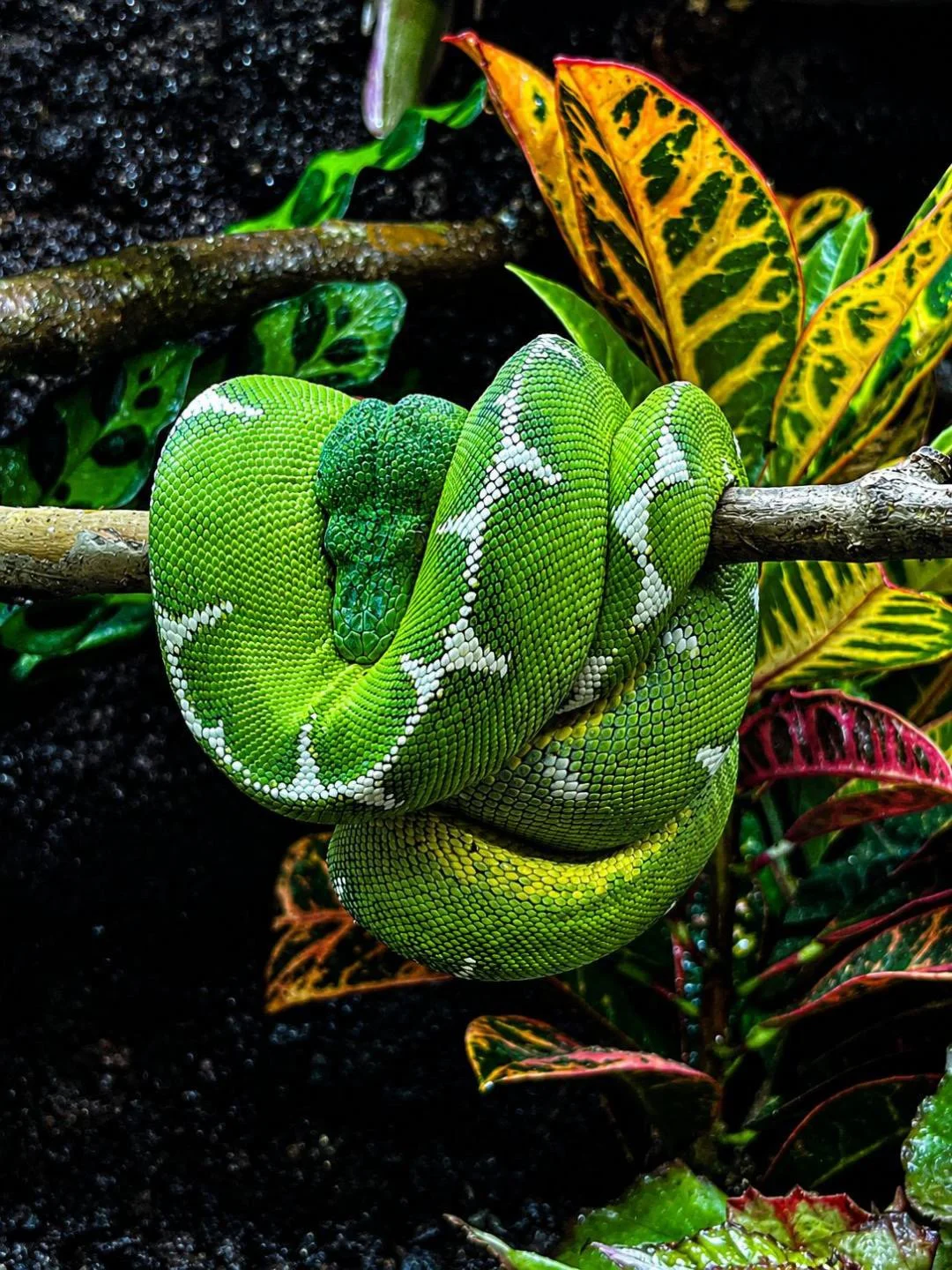
Textbook/Normal Amazon Basin Emerald Tree Boa - Owner: Coastal Morelia
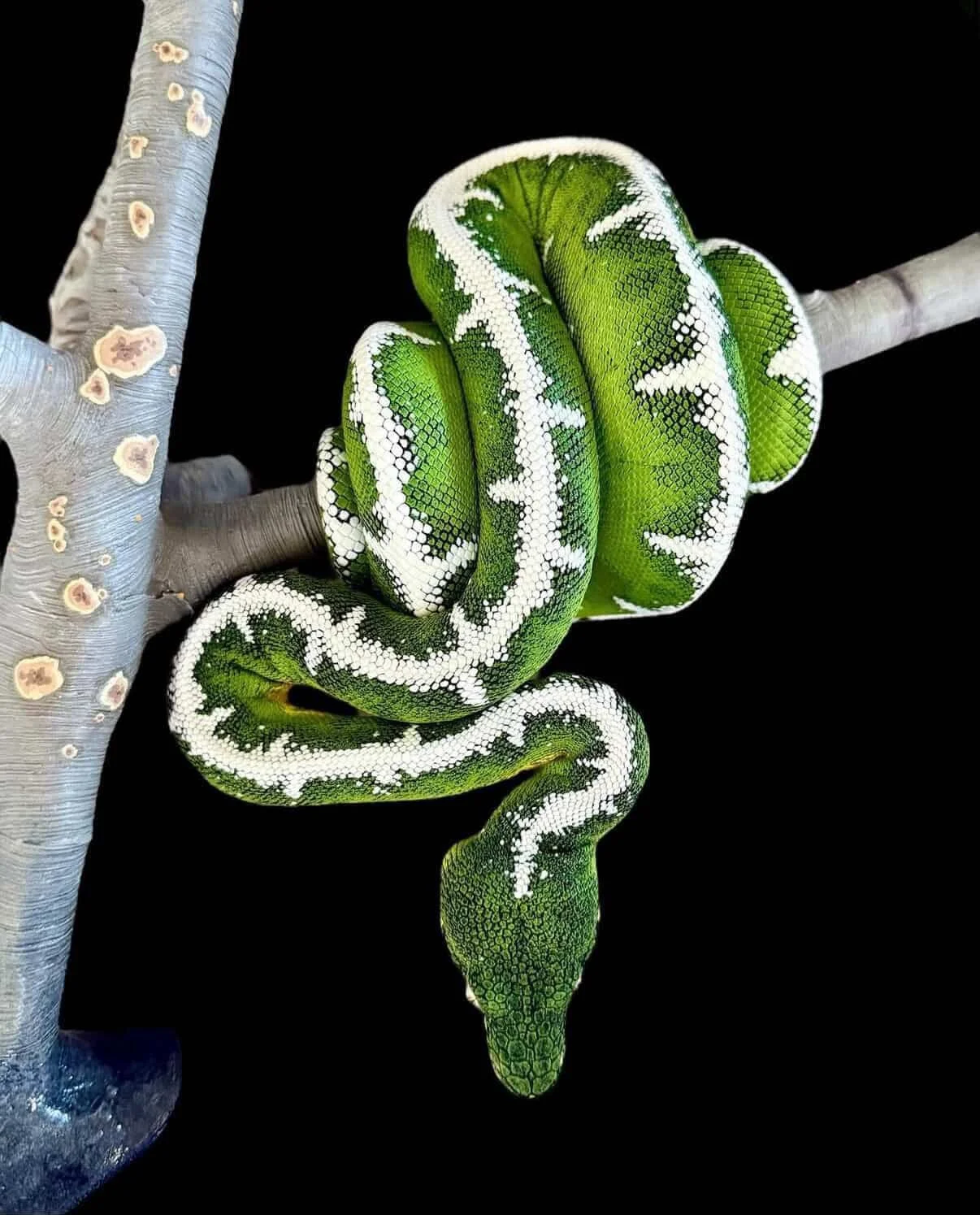
High White Textbook/Normal Amazon Basin Emerald Tree Boa - Owner: Emeralds213
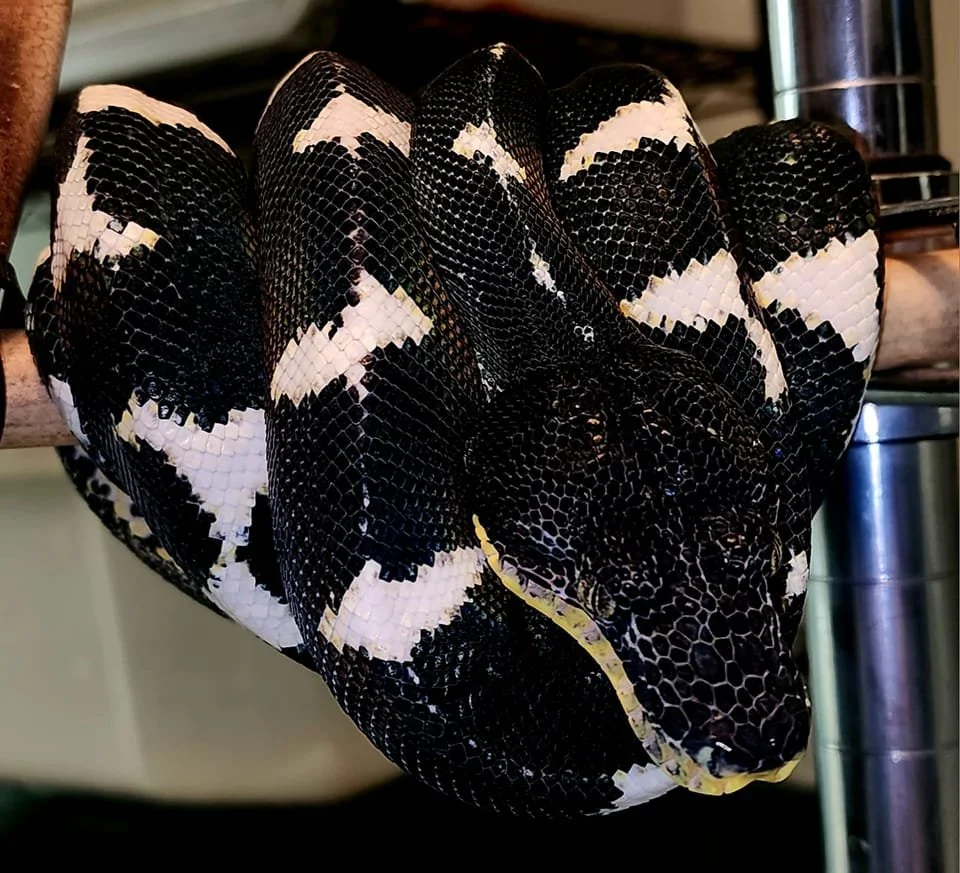
Black Amazon Basin Emerald Tree Boa - Owner: Ed Marino
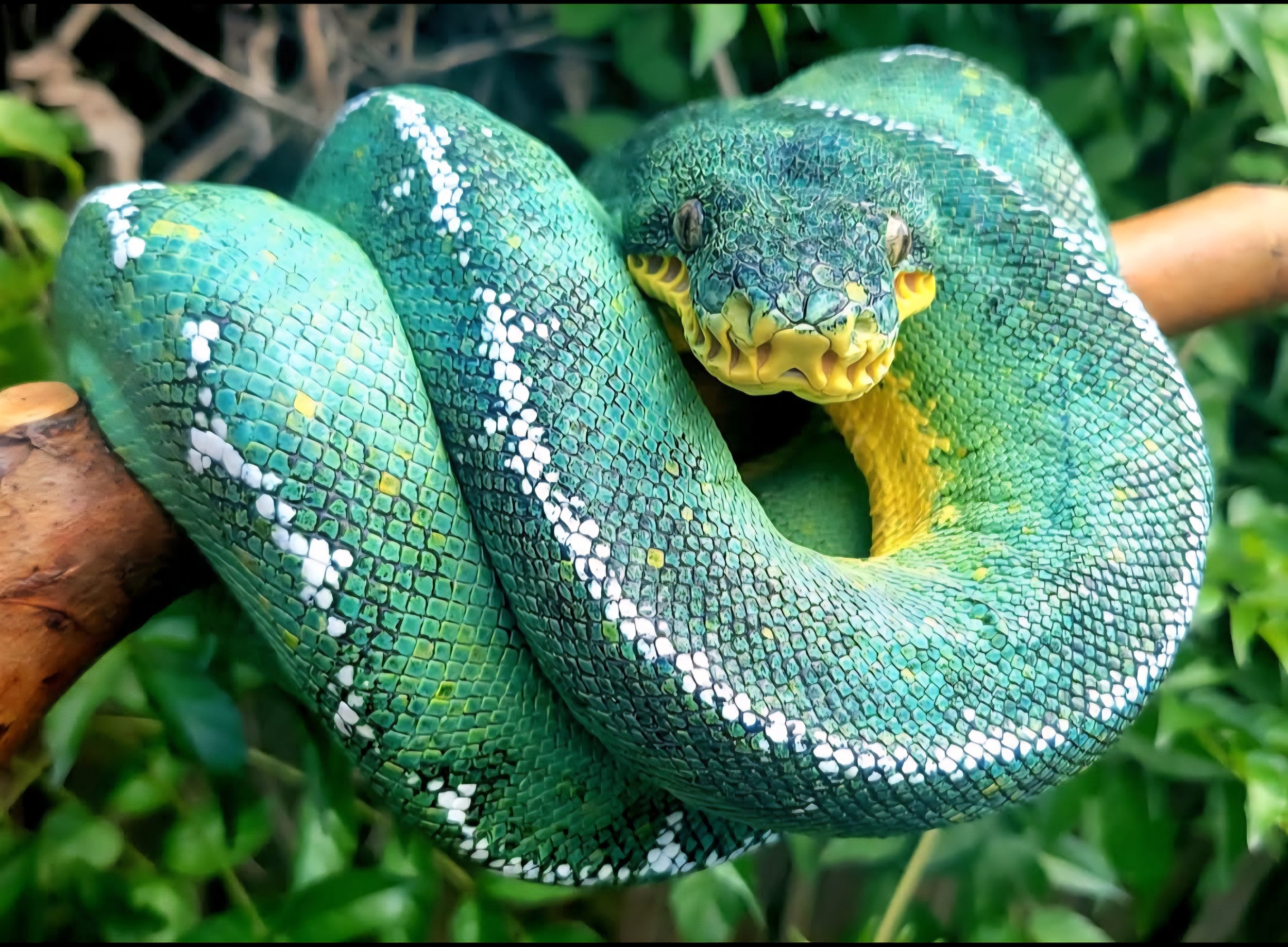
Blue Tone Amazon Basin Emerald Tree Boa - Owner: Keith Flax
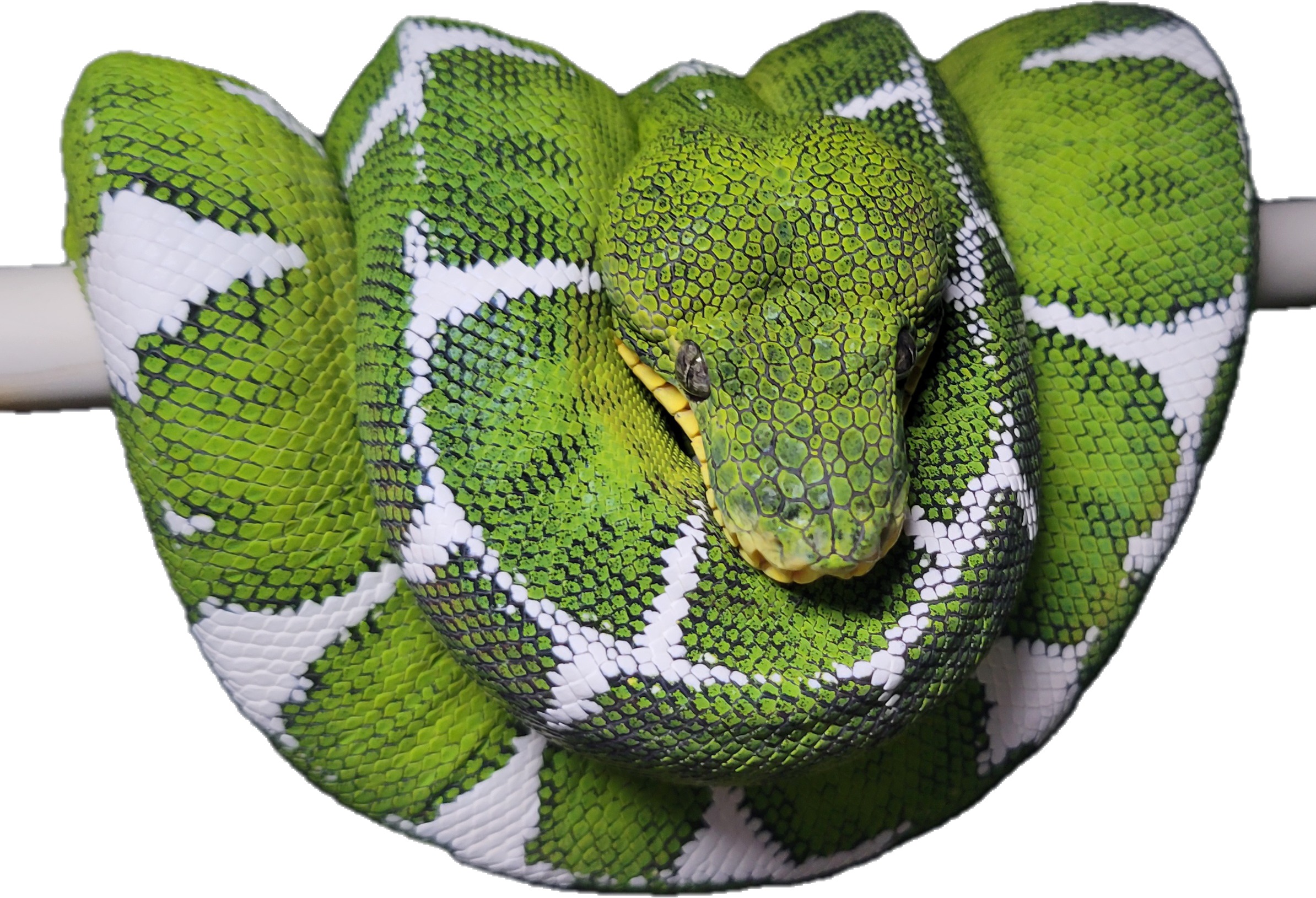
Diamond Amazon Basin Emerald Tree Boa - Owner: Keith Flax
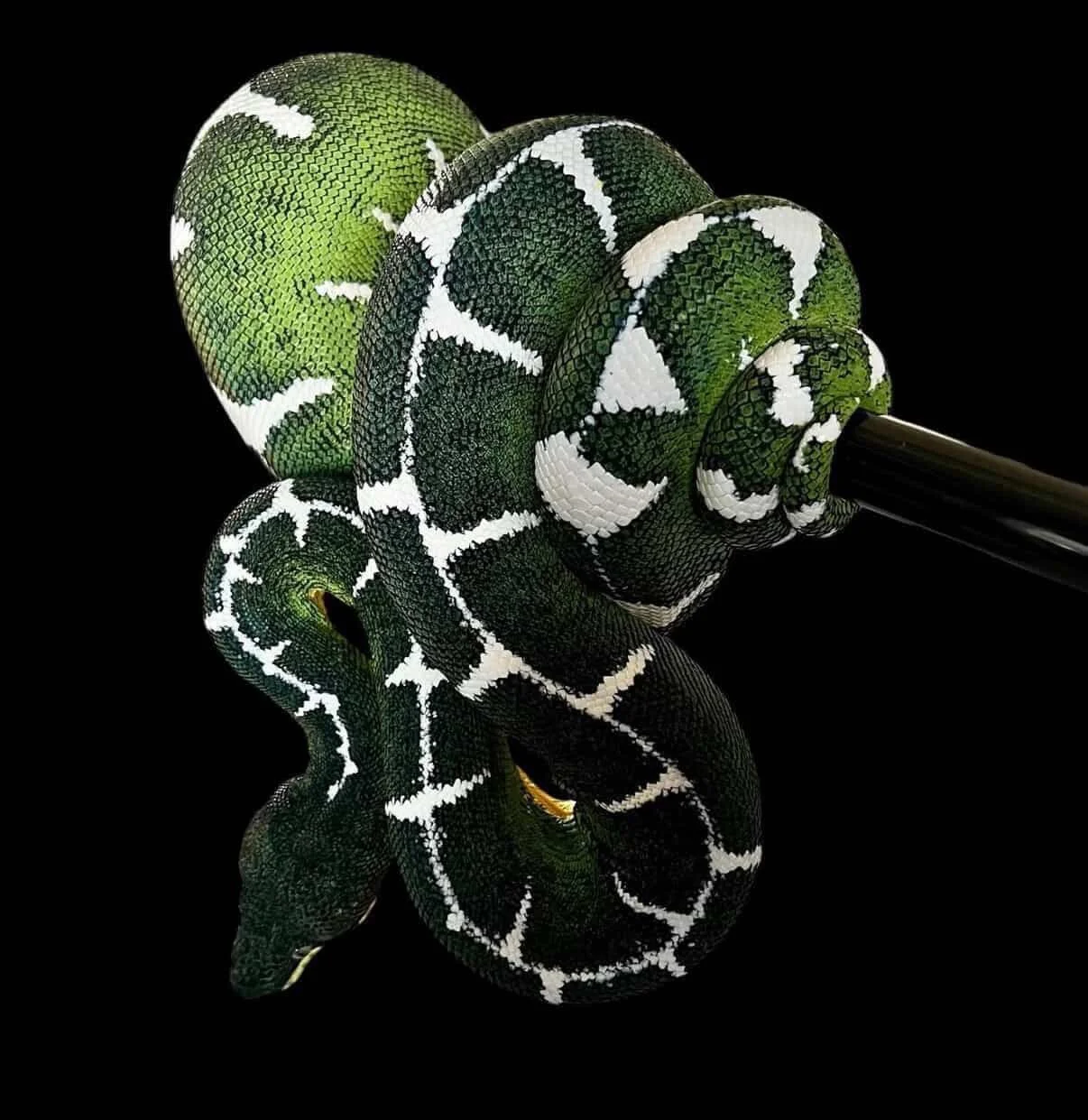
Diamond Amazon Basin Emerald Tree Boa - Owner: Emeralds213
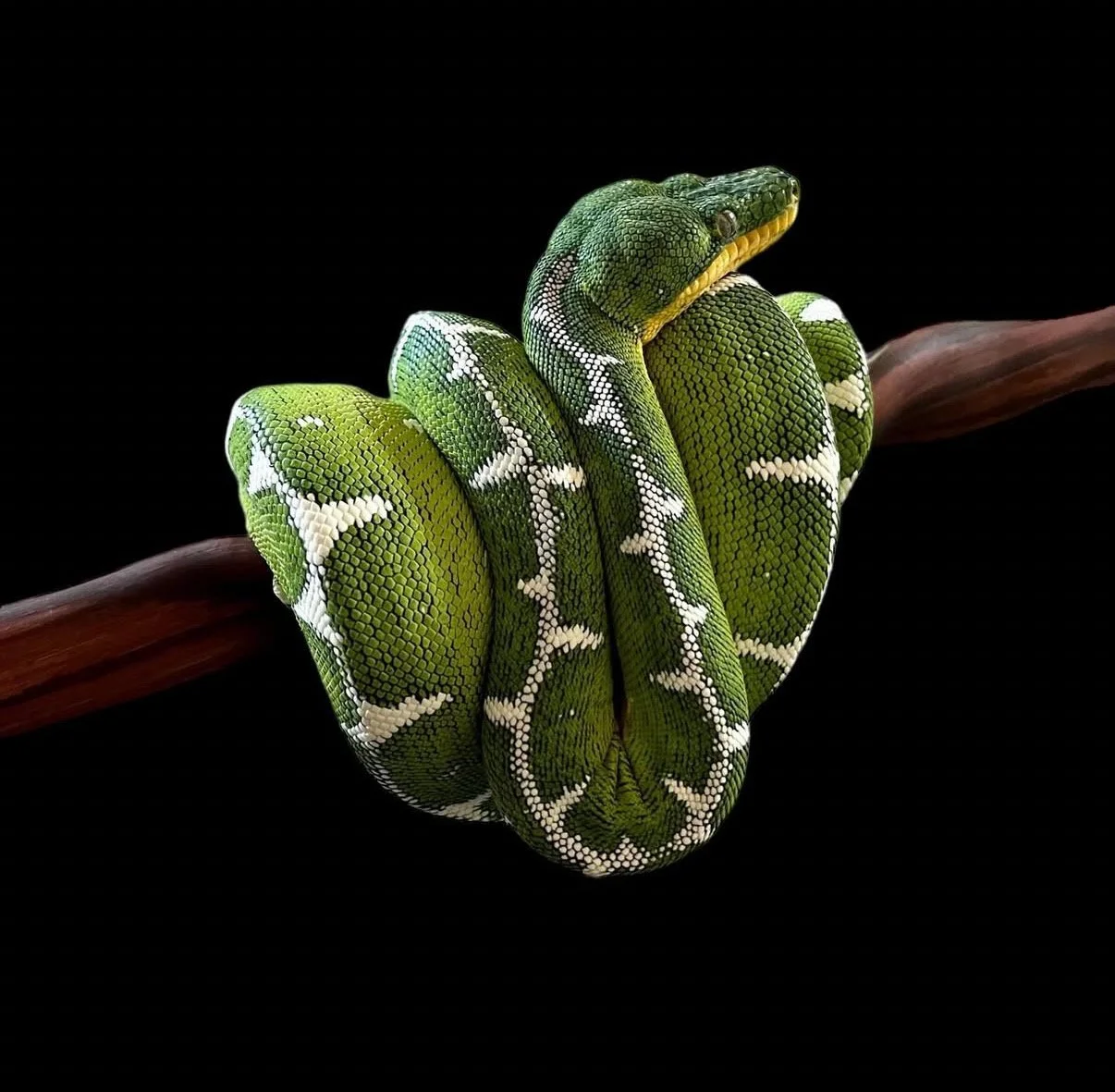
Barbwire Amazon Basin Emerald Tree Boa - Owner: Emeralds213
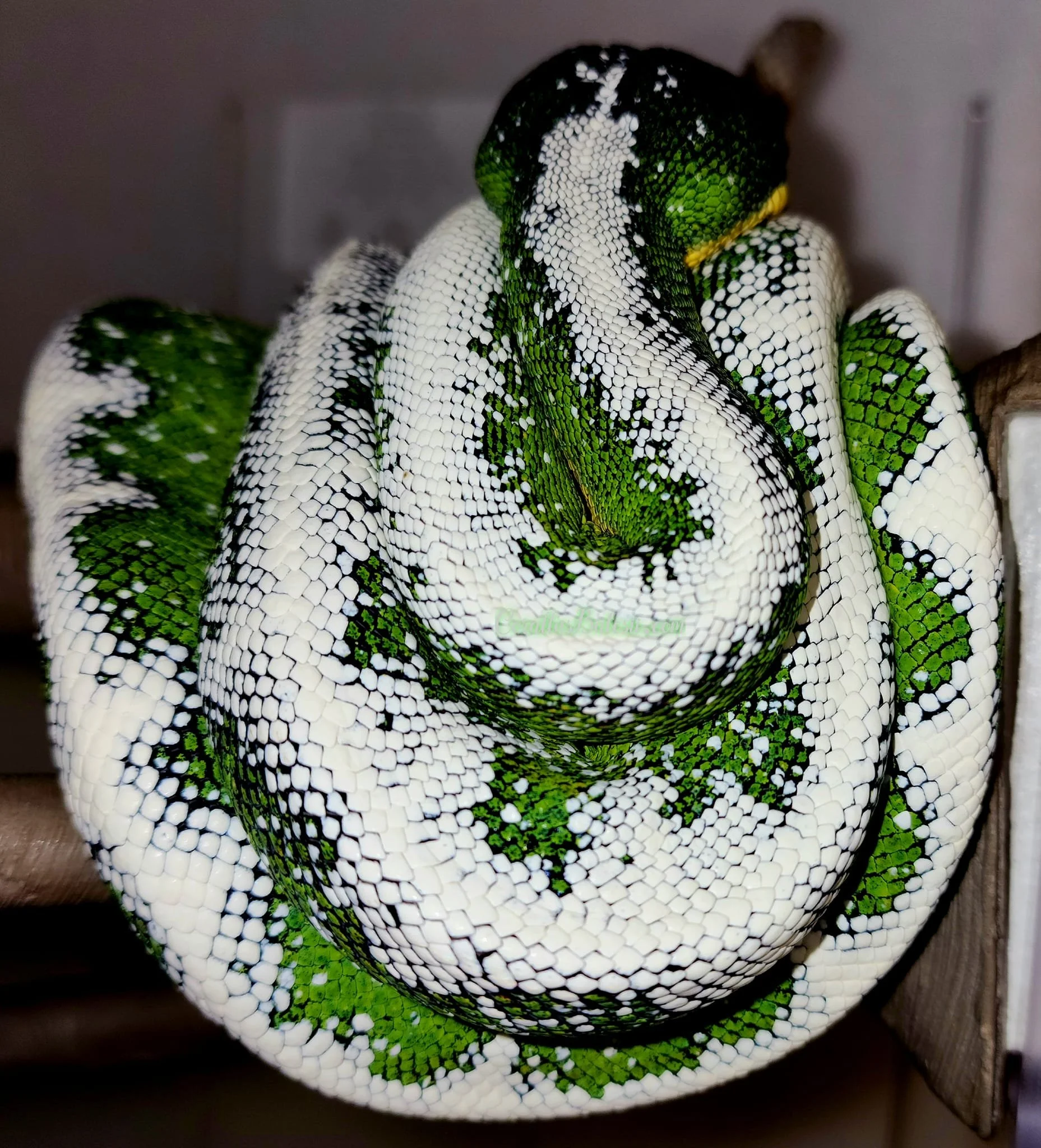
Frosted Amazon Basin Emerald Tree Boa - Owner: Ed Marino
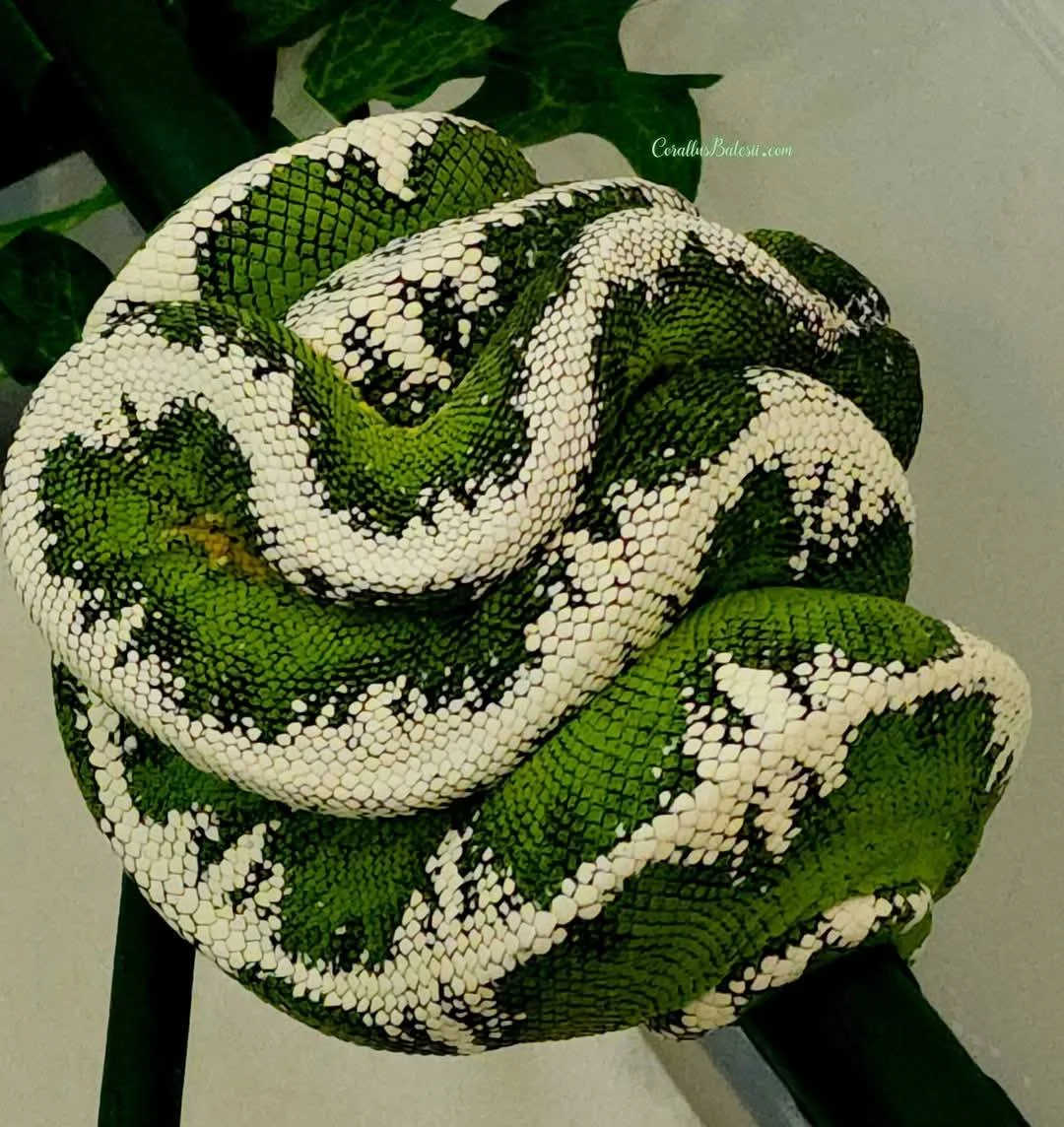
Alien Amazon Basin Emerald Tree Boa - Owner: Ed Marino
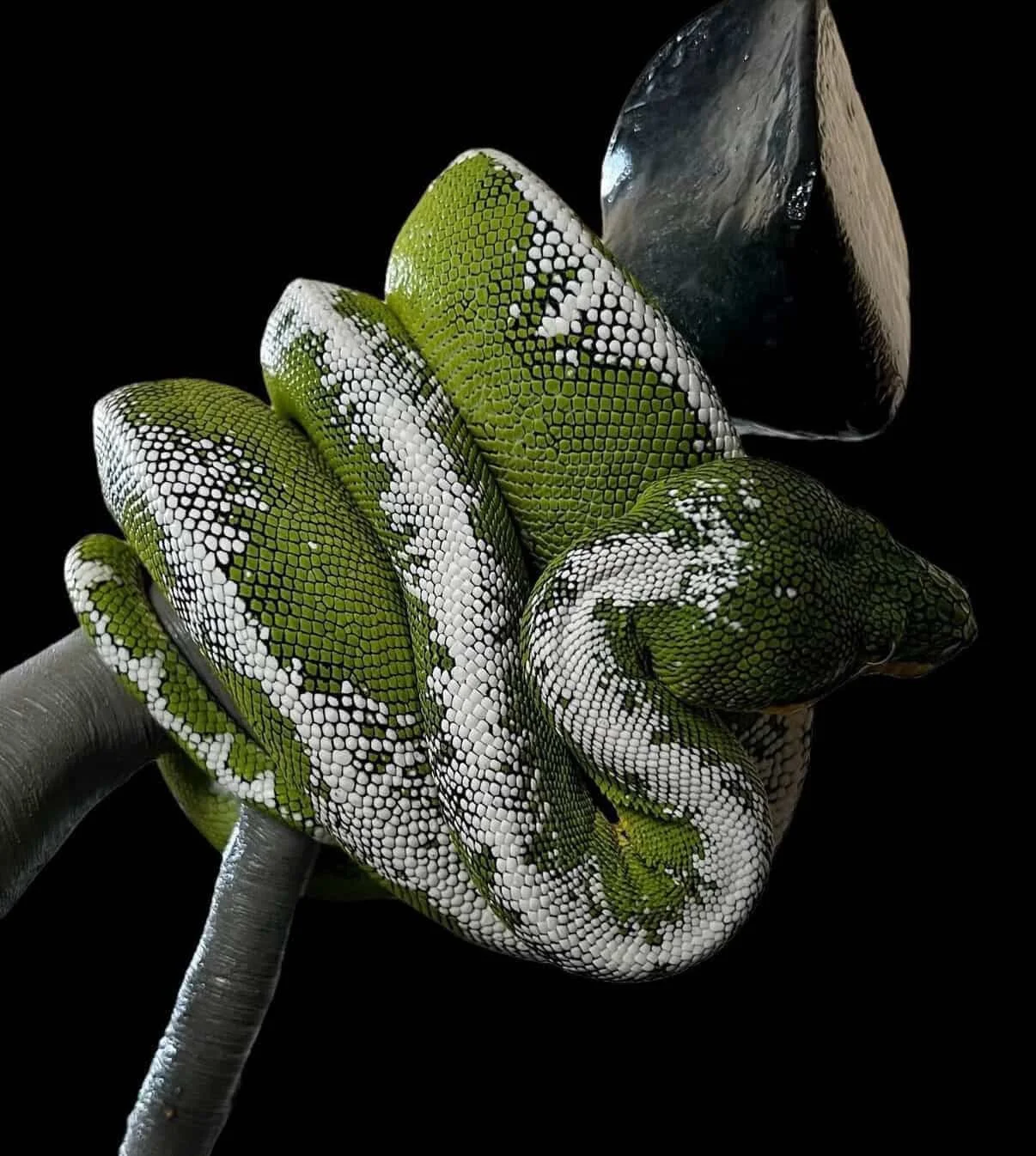
Alien Amazon Basin Emerald Tree Boa - Owner: Emeralds213
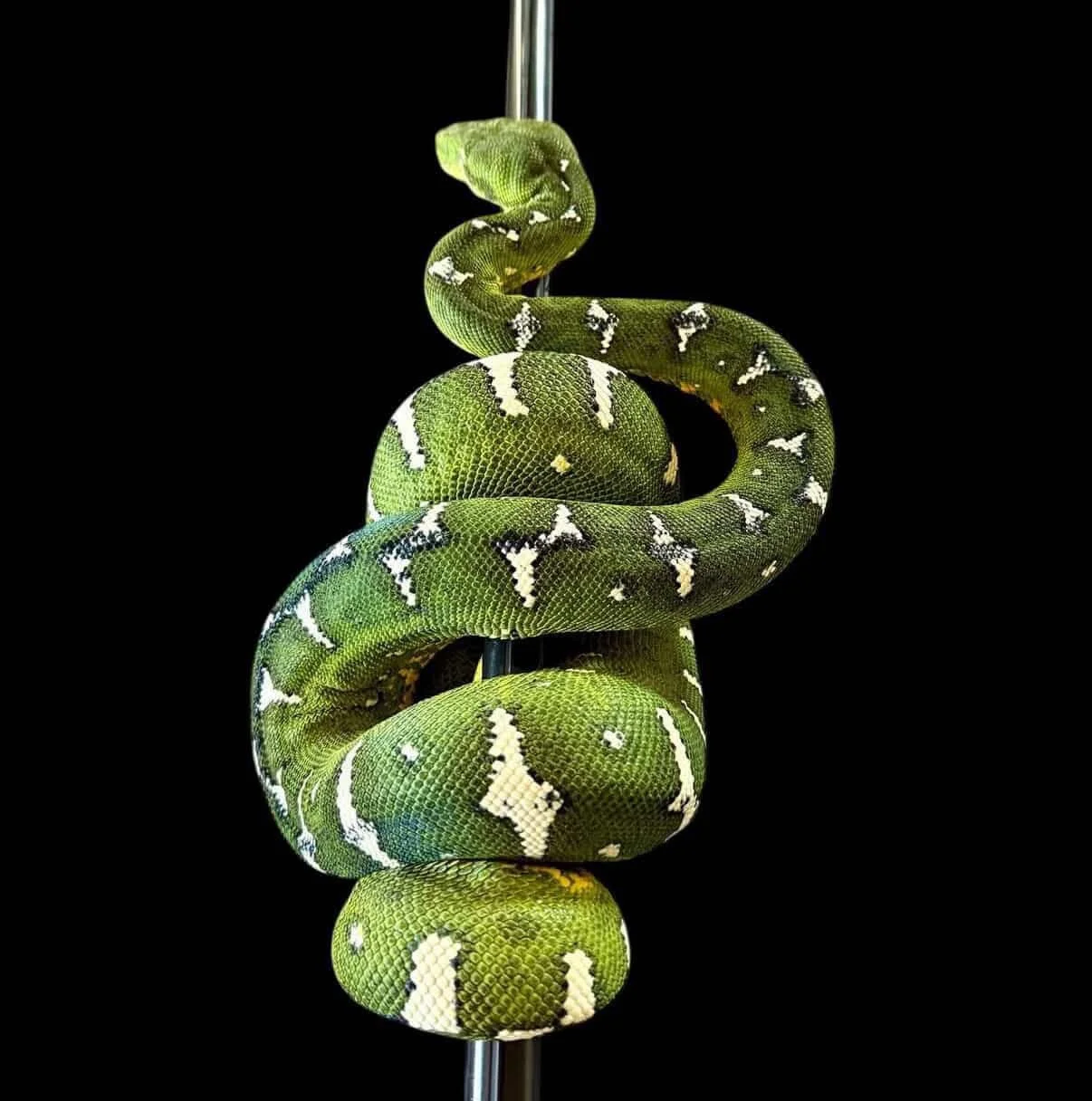
Hybrid Emerald Tree Boa - Owner: Emeralds213
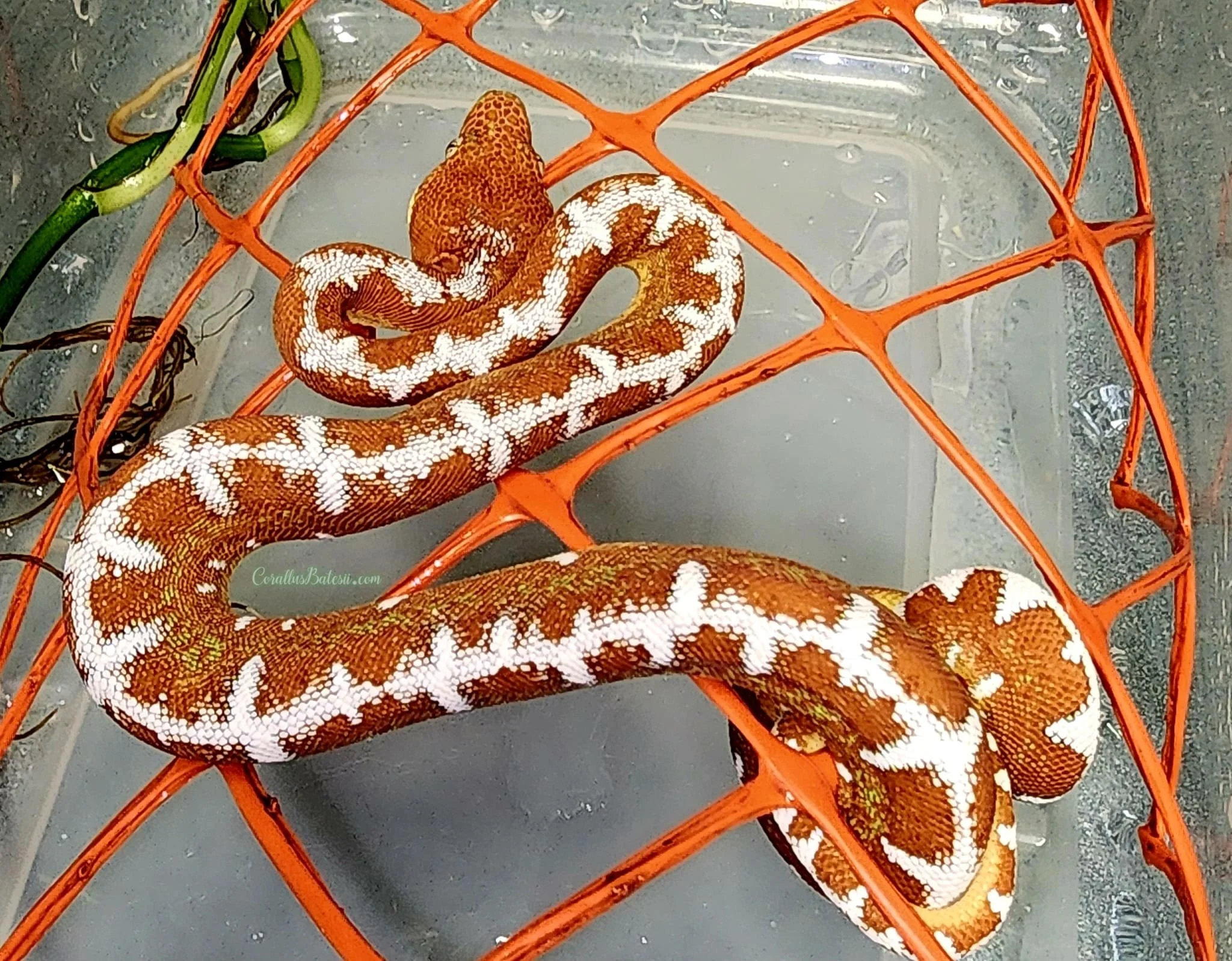
Juvenile Barbwire Amazon Basin Emerald Tree Boa - Owner: Ed Marino